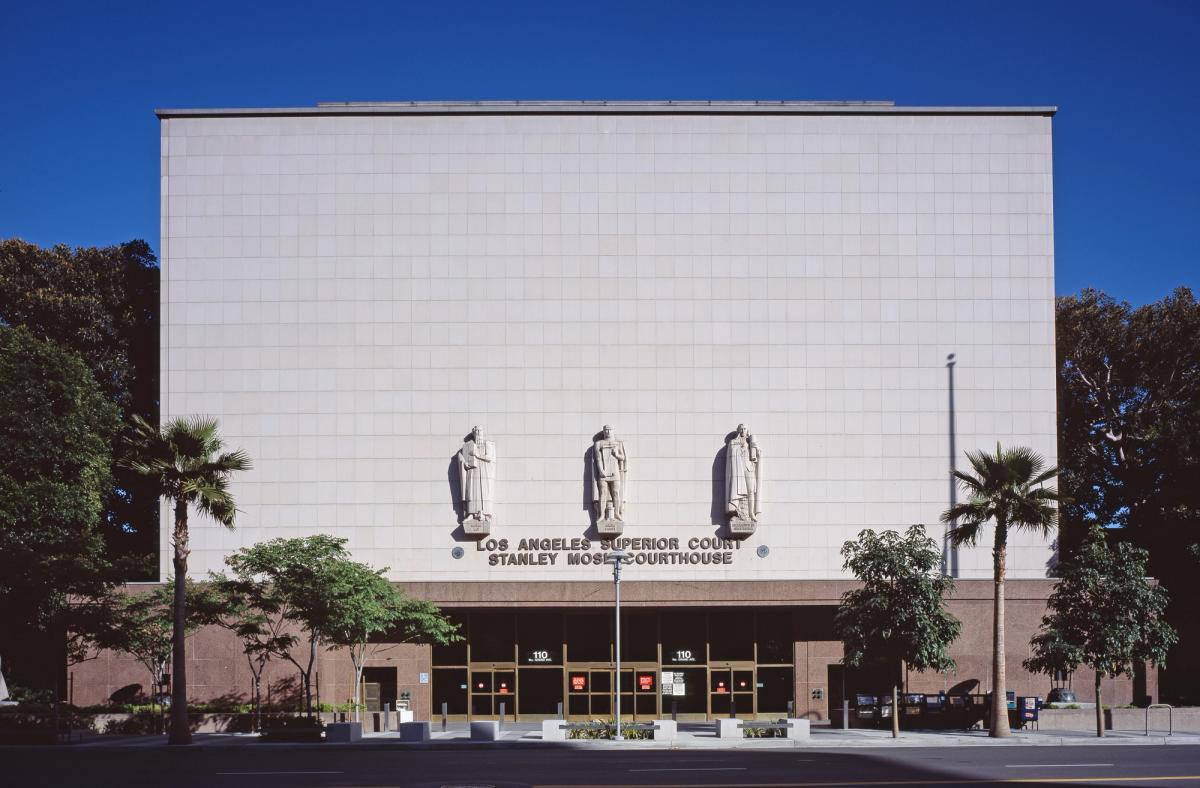
Formal probate in California typically takes 9 to 18 months (California Courts self-help guide). The court expects the personal representative to complete the estate within a year — 18 months if a federal estate tax return is required — and the process includes a mandatory 4-month creditor claim window that no estate can compress. Smaller estates can move much faster: assets under $208,850 can transfer by affidavit after a 40-day wait, and since April 2025 a primary residence worth $750,000 or less can pass through a simplified court petition instead of full probate (California Courts).
This guide covers timelines and process, not individual advice. Probate intersects with tax and estate law — for decisions on your specific estate, talk to a California probate attorney and a CPA.
The Quick Answer, by Path
| Path | Who Qualifies | Typical Timeline | Court Involvement |
|---|---|---|---|
| Living trust / joint tenancy / beneficiary deed | Assets titled to avoid probate | Weeks — no probate required | None |
| Small-estate affidavit | Estate assets ≤ $208,850 (deaths on/after 4/1/2025) | 40-day wait, then transfer by affidavit | No hearing |
| Primary-residence succession petition | Primary residence ≤ $750,000 (deaths on/after 4/1/2025) | A single petition and hearing — a fraction of formal probate's timeline | One petition, one hearing |
| Formal probate | Everything else | 9–18 months; court expects completion within 1 year (18 months with a federal estate tax return) | Full administration |
Both simplified paths and the caps come from the California Courts' simple transfer guide and small estate process; the formal probate expectations come from the formal probate guide.
Why Formal Probate Takes 9–18 Months
The timeline isn't bureaucratic padding — it's a sequence of steps with built-in waiting periods:
- Filing and the first hearing. The petition for probate is filed in the county where the person lived, and the court sets a hearing to appoint the personal representative. Court calendars vary by county; busy courts add weeks here.
- Letters are issued. Once appointed, the personal representative receives "Letters" — the legal authority to act for the estate, including listing and selling property.
- The 4-month creditor window. Known creditors are notified and have four months from the issuance of Letters to file claims. This window is mandatory — it is the floor under every formal probate timeline.
- Inventory and appraisal. Estate assets are inventoried and appraised by a court-appointed probate referee.
- Final petition and distribution. After debts and taxes are handled, the personal representative petitions for final distribution, the court approves, and assets transfer.
Add a contested will, a hard-to-value asset, or a missed filing, and the 9-month floor stretches toward 18 — which is why the court's own guidance frames one year as the expectation, not the minimum.
Selling the House During Probate
You usually don't have to wait for probate to end to sell the home — most sales happen during administration. Personal representatives granted full authority under the Independent Administration of Estates Act can generally sell real property with notice to heirs rather than a court confirmation hearing; limited-authority administrations require court confirmation of the sale. Either way, the proceeds stay in the estate until distribution.
The economics of that sale are the same as any California sale — and they matter more here, because the commission comes out of every heir's share. At California's $845,000 median (Houzeo California):
| Sale Price | Traditional 5% | Traditional 6% | Charlie AI | White Glove | Estate Keeps vs 6% (Charlie AI) |
|---|---|---|---|---|---|
| $600,000 | $30,000 | $36,000 | $4,399 | $8,600 | +$31,601 |
| $845,000 (CA median) | $42,250 | $50,700 | $4,399 | $12,500 | +$46,301 |
| $1,200,000 | $60,000 | $72,000 | $7,999 | $16,600 | +$64,001 |
| $2,200,000 | $110,000 | $132,000 | $12,999 | $32,000 | +$119,001 |
Charlie AI is LOQOL's tiered flat fee ($4,399 up to $1M, $7,999 from $1M–$2M, $12,999 from $2M–$3M, $19,999 above $3M); White Glove is the full-service tier with a dedicated licensed agent, shown at or interpolated to each row's price. Charlie is the AI agent; a licensed California agent (DRE #02261474) is the agent of record on every listing. Photography is not included in either tier. California's average traditional commission runs about 5.5% (Clever California survey).
The Tax Clock Runs Differently Than the Court Clock
One timing pressure heirs overestimate: capital gains. Inherited property receives a step-up in basis to fair market value at the date of death (IRS), so a sale reasonably soon after death typically produces little or no taxable gain — even if probate itself takes a year. The gain that matters is appreciation after the date of death, which is one reason long administrations in a rising market can create tax exposure that a faster path avoids. For the full picture — including what Proposition 19 does to the property tax bill if an heir keeps the home — see our guide to selling an inherited house in California. And again: confirm your specific numbers with a CPA.
FAQ: California Probate Timelines
How long does probate take in California on average?
Formal probate typically takes 9 to 18 months. The California Courts' guidance expects the personal representative to complete administration within one year — 18 months if a federal estate tax return is required.
What is the fastest probate can be done in California?
Formal probate can't finish before the mandatory 4-month creditor claim window closes, plus the time to appointment and final distribution — in practice, the floor is roughly 9 months. Estates that qualify for the $208,850 affidavit or the $750,000 primary-residence petition can move dramatically faster because they skip full administration.
Can you sell a house before probate is complete in California?
Usually, yes. Once Letters are issued, a personal representative with full authority under the Independent Administration of Estates Act can generally sell with notice to heirs; limited authority requires court confirmation. Proceeds remain in the estate until distribution.
What is the $750,000 shortcut?
For deaths on or after April 1, 2025, a deceased person's primary residence worth $750,000 or less can pass by a simplified petition to determine succession instead of full probate (California Courts). At California prices, that covers a meaningful share of inherited homes — especially condos and inland single-family stock.
Does a living trust really avoid probate?
Yes — property titled in a living trust (or held in joint tenancy, or transferred by a beneficiary deed) passes outside probate entirely. The successor trustee can typically sell within weeks, which is why trusts remain the standard California estate-planning tool for real property.
Why does probate take so much longer if someone contests the will?
A contest converts an administrative process into litigation: discovery, hearings, and possibly trial happen before administration can finish. Contested probates routinely run years, not months — one more reason the simplified paths and trust planning matter.
Bottom Line
Plan on 9–18 months for formal California probate, with the 4-month creditor window as the immovable floor — but check the shortcuts first: the $208,850 affidavit and the $750,000 primary-residence petition exist precisely so smaller estates don't wait a year. If the estate's house will be sold, the sale usually happens during administration, and the fee model on that sale decides how much of the home's value actually reaches the heirs: at the $845,000 median, $50,700 at 6% versus $4,399 flat (see how LOQOL handles estate sales).
Related: whether you need probate at all depends on how title was held — see do I need probate to sell an inherited house in California for the six routes that skip formal probate, including the $750,000 primary-residence petition.
Want more clarity like this?
Clear, actionable guidance on selling and buying — straight to your inbox.